Skip to Content

Tag Archive: slitting techniques

  1. Die Cutting Technologies Explained

    Comments Off on Die Cutting Technologies Explained

    When it comes to manufacturing precision adhesive components, gaskets, protective films and specialty materials, selecting the right die cutting technology can have a significant impact on cost, quality, production speed and scalability.

    Many manufacturers know they need a die cut component, but determining how that component should be manufactured is often the more difficult decision. Should you use rotary die cutting? Flatbed steel rule dies? Solid steel tooling? Laser cutting? Or would a digital cutting table be the best solution?

    The answer depends on your production volume, material characteristics, tolerances, budget, and long-term manufacturing goals.

    At TPC Converting, our role isn’t simply to manufacture parts. We work alongside customers to evaluate their application and recommend the die cutting methodology that delivers the best combination of performance, efficiency, and total cost of ownership.

    Different Types of Die Cutting

    While all die cutting methods produce precision parts, each technology is designed for different production requirements.

    Rotary Die Cutting

    Rotary die cutting utilizes cylindrical dies mounted on a rotary press to continuously process material as it moves through the machine. This makes rotary die cutting one of the fastest and most efficient manufacturing methods for high-volume production.

    In addition to cutting complex shapes, rotary presses can perform multiple converting operations during a single pass, including:

    • Lamination
    • Slitting
    • Sheeting
    • Scoring
    • Perforating
    • Liner changes
    • Island placement
    • Pneumatic knock-out
    • Automated stacking

    Because several operations can be completed simultaneously, rotary die cutting minimizes handling, improves consistency, and reduces overall production costs.

    Best Applications

    Rotary die cutting is ideal for:

    • High-volume production
    • Pressure-sensitive adhesive tapes
    • Protective films
    • Labels
    • Medical and industrial components
    • Continuous roll-to-roll converting

    For manufacturers producing thousands of identical parts, rotary die cutting typically offers the lowest cost per part.

    Flatbed (Steel Rule) Die Cutting

    Flatbed die cutting (often referred to as CNC or steel rule die cutting) uses a flat press equipped with a custom steel rule die to stamp parts from sheet material.

    Unlike rotary converting, flatbed presses excel when working with thicker or more rigid materials that may not process efficiently through rotary equipment.

    Steel rule tooling also provides an economical solution for medium production volumes or projects that don’t justify investing in rotary tooling.

    Best Applications

    Flatbed die cutting is commonly used for:

    • Foam materials
    • Rubber
    • Gasket materials
    • Thick adhesive constructions
    • Plastic sheets
    • Silicone
    • Fabric
    • Specialty materials

    Because tooling costs are generally lower than rotary tooling, flatbed die cutting offers an excellent balance of flexibility and affordability.

    Solid Steel Dies

    Solid steel dies are precision-machined from hardened steel rather than assembled using steel rule blades.

    These dies provide extremely tight tolerances and exceptional repeatability, making them ideal for demanding applications where dimensional accuracy is critical.

    Although tooling costs are higher, solid steel dies often deliver longer tool life and superior consistency in high-volume production environments.

    Best Applications

    Solid steel dies are frequently selected for:

    • Tight tolerance components
    • High-precision electronics
    • Automotive components
    • Medical devices
    • Long production runs
    • Complex geometries

    When quality requirements leave little room for variation, solid steel tooling often becomes the preferred solution.

    Laser & Knife Cutting

    Unlike traditional die cutting methods, laser and digital cutting systems eliminate the need for physical tooling altogether.

    At TPC Converting, our knife cutting table allows us to quickly produce:

    • Prototype parts
    • Samples
    • Low-volume production
    • Design iterations
    • Custom one-off components

    The knife cutting tables can:

    • Perform total cuts or kiss cuts on linered materials
    • Cut sheet materials
    • Produce gasket geometries
    • Punch holes
    • Score and fold materials

    Because no tooling must be manufactured, customers can validate designs before committing to production tooling.

    Best Applications

    Digital cutting is ideal for:

    • Engineering validation
    • Product development
    • Prototype evaluation
    • Small production runs
    • Frequent design changes

    For many projects, digital cutting serves as the bridge between concept and full-scale production.

    This is why engineering consultation is such an important part of the process.

    More Than Cutting: Complete Converting Capabilities

    One advantage of partnering with TPC Converting is that we offer far more than die cutting alone.

    Our in-house converting capabilities include:

    • Lamination
    • Slitting
    • Sheeting
    • Perforating
    • Scoring
    • Liner changes
    • Island placement
    • Stacking
    • Custom packaging solutions

    By performing multiple value-added operations under one roof, we help customers reduce supplier complexity, improve quality control, and shorten lead times.

    Materials We Commonly Convert

    Our die cutting technologies allow us to process an extensive range of materials, including:

    • Pressure-sensitive adhesives
    • Foam tapes
    • 3M™ VHB™ tapes
    • Protective films
    • Silicone
    • Rubber
    • Gasket materials
    • UHMW polyethylene
    • Fabric
    • Label stock
    • Plastics
    • Non-woven materials
    • Abrasive materials
    • Specialty engineered materials

    Whether the application requires thin adhesive films or thick gasket materials, we work with customers to determine the best manufacturing approach.

    Industries We Serve

    Our converting expertise supports manufacturers across a wide range of industries, including:

    Automotive – Precision gaskets, insulation, vibration dampening, and sealing components for Tier 1 and Tier 2 suppliers.

    Electrical & Electronics – EMI shielding, thermal management, protective films, and precision adhesive components.

    Appliances – Noise reduction materials, foam gaskets, seals, and assembly components that improve product performance.

    Assembly & Manufacturing – Die cut adhesive solutions that streamline assembly processes while reducing labor and improving consistency.

    Sign & Graphics – Precision-cut materials for dimensional signage, point-of-purchase displays, labels, and promotional graphics.

    Why Work with TPC Converting?

    With more than 55 years of converting experience, TPC Converting helps manufacturers evaluate every aspect of their project to determine the most efficient and cost-effective production method. Whether that means rotary die cutting for high-volume production, flatbed steel rule dies for thicker materials, solid steel tooling for precision components, or digital cutting for rapid prototyping, our team provides guidance based on your manufacturing goals.

    From concept and prototyping through full-scale production, we help customers optimize their converting process.

    Looking for the right die cutting solution? Contact TPC Converting to discuss your application with our converting specialists and discover which die cutting technology is best suited for your project.

    TPC Die Cut Pieces

  2. A Guide to Slitting Techniques: Shear, Crush, Razor, and Score Slitting

    Comments Off on A Guide to Slitting Techniques: Shear, Crush, Razor, and Score Slitting

    Precision slitting is a key step in the converting process for flexible materials. Whether you’re working with films, foams, papers, foils, or pressure‑sensitive adhesive tapes, the slitting method used can directly impact edge quality, tolerances, production speed and overall performance in downstream applications. 

    At TPC Converting, we specialize in precision slitting and rewinding services that transform large master rolls into custom widths tailored to your exact application. With more than 55 years of converting experience, our team carefully selects and fine‑tunes slitting techniques based on how each material interacts with blades, equipment, and process parameters. 

    Below, we break down the most common converting slitting techniques, including razor slitting, crush cut slitting, shear slitting, and score slitting, and explain when each method is most effective. 

    What is Slitting?

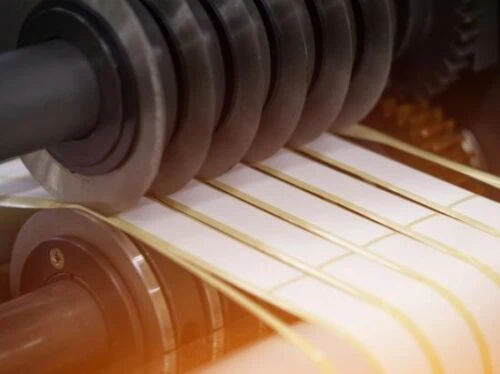
    Slitting is the process of cutting large rolls of flexible material into narrower rolls or strips that are easier to handle and ready for manufacturing, packaging, or assembly. This process is commonly paired with rewinding, which transfers the slit material onto smaller, more manageable rolls. 

    At TPC Converting, our precision slitting and rewinding process typically includes: 

    • Unwinding material from a master roll 
    • Passing the material through a strategically arranged set of blades 
    • Cutting the material to precise, non‑standard widths with tight tolerances 
    • Rewinding finished rolls for transport, storage or further converting 

    We also offer lathe slitting, which slices a master roll into narrower widths without unwinding. This method is ideal for select applications that require rigid control and minimal material handling. 

    Our versatile slitting capabilities support a wide range of materials, including foam, paper, plastic films, foils, and tapes, making slitting a foundational service across many industrial converting operations. 

    Different Slitting Techniques 

    Choosing the correct slitting method depends on the material type, thickness, desired edge quality, production speed and final application requirements. Below is an overview of the most common slitting techniques used in converting. 

    Razor Slitting

    Razor slitting uses sharp razor blades to cleanly cut thin, flexible materials. This technique is used for applications where precision, minimal material distortion and clean edges are required.  

    Razor slitting is commonly used for: 

    • Plastic films 
    • Foils 
    • Lightweight laminates 
    • Fragile or delicate materials 

    Because razor slitting creates minimal stress on the material, it is frequently preferred in packaging, electronics, and medical converting applications where edge quality and waste reduction matter most.

    Types of Razor Slitting

    Razor-in-Air (Top Razor Slitting)

    Razor‑in‑air slitting positions the razor blade above the material, cutting it without any additional backing or support beneath the web. Because the blade makes direct contact with the material alone, this method is best suited for slower speed converting operations and applications that require a lighter cutting approach. Razor‑in‑air slitting is a cost-effective option due to its simple tooling, straightforward setup and ease of blade maintenance. It is most commonly used for thin films, foils and other fragile materials to maintain edge integrity while minimizing equipment complexity.  

    Razor-in-Groove (Bottom Razor Slitting) 

    Razor‑in‑groove slitting cuts the material against a grooved support roll, providing added stability to the razor blade during the cutting process. This additional support allows the material to remain more controlled as it passes through the blade, making the method well suited for higher‑speed production environments and more demanding applications. By stabilizing the web during slitting, the grooved roll helps reduce edge defects and improves overall cut consistency. Razor‑in‑groove slitting is often selected when tighter tolerances, increased throughput and improved edge quality are required. 

    Crush Cut Slitting

    Crush cut slitting works by pressing a circular knife against a hardened anvil roll, effectively crushing and cutting the material. This technique is often used for softer, compressible materials that respond better to forceful separation. Crush cutting doesn’t dull the blade, which results in much a longer blade life and consistent edges throughout a run.  

    Crush cut slitting is ideal for: 

    • Rubber materials 
    • Foams 
    • Certain pressure‑sensitive tapes 
    • Other soft or spongy substrates 

    While crush cutting is efficient and economical, it may produce a slightly rougher edge compared to shear or razor slitting. For applications where edge appearance is not critical, crush cut slitting offers a simple and effective converting solution. 

    Shear Slitting 

    Shear slitting uses a male and female circular knife arrangement that creates a scissor‑like cutting action. This method delivers exceptional edge quality while supporting high‑speed production. 

    Shear slitting is well suited for: 

    • Paper and paperboard 
    • Laminates 
    • Plastic films and foils 
    • Textiles and specialty materials 

    Because shear slitting balances speed with precision, it is often selected for demanding applications requiring tight tolerances and superior edge finishes. 

    Score Slitting

    Score slitting creates a controlled indentation or score line using a blunt blade or scoring wheel. Instead of cutting fully through the material, this method weakens specific areas to allow for precise folding. 

    Score slitting is commonly used in: 

    • Corrugated sheets 
    • Cartons and boxes 
    • Folding packaging components 

    This technique supports consistent folds and clean bends during packaging production. 

    How TPC Converting Delivers Precision Slitting Solutions 

    At TPC Converting, no two slitting jobs are treated the same. Our experienced team fine‑tunes each setup based on material behavior, performance requirements and downstream needs. 

    With capabilities that include precision slitting and rewinding, cutting, spooling, adhesive laminating and coating, printing, and finishing, we provide custom converting solutions across a wide range of industries. 

    Our ISO 9001:2015 and IATF certifications reflect our ongoing commitment to quality, consistency, and customer satisfaction. 

    Partner with TPC Converting for Precision Slitting Services 

    Whether your application requires razor slitting for delicate films or shear slitting for high‑volume production, TPC Converting has the expertise and equipment to deliver reliable results. 

    To learn more about our precision slitting services or explore our full range of converting capabilities, contact us today or visit our converting services page. 

    Slitting