How Surface Texture Impacts Protective Film Adhesion

Textured metals present unique adhesion challenges that standard protective films don’t always address. Variations in texture, coating, and surface energy can make it difficult for adhesives to fully contact the surface, leading to weaker bonds or premature film failure. TPC Converting helps bridge this gap by offering films and adhesives specifically evaluated for textured substrates, ensuring reliable protection and smoother performance in your manufacturing environment.

Common Adhesion Challenges with Textured Metals

Because textured metals vary widely in their patterns, coatings, and physical properties, the factors that interfere with adhesion can be both subtle and complex. These surfaces often limit how well a protective film can conform, creating inconsistencies that impact bond strength during forming, handling, or transport. Understanding the specific conditions that disrupt adhesion is key to choosing a film that performs reliably. The points below outline the most common issues manufacturers encounter when applying protective films to textured metal substrates.

  • Surface Roughness

    Surface Roughness

    Textured and patterned metals have peaks and valleys that reduce the actual contact area between the protective film and the metal surface. Adhesives rely on consistent contact to form strong bonds; if they only touch the peaks of a textured metal surface, the bond becomes weaker and more prone to peeling or lifting during handling and forming.

  • Low Surface Energy

    Low Surface Energy

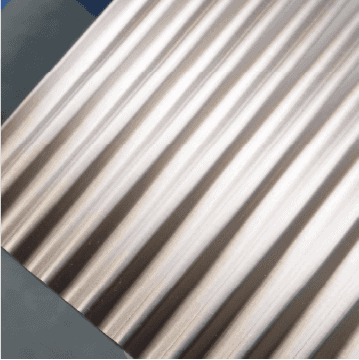
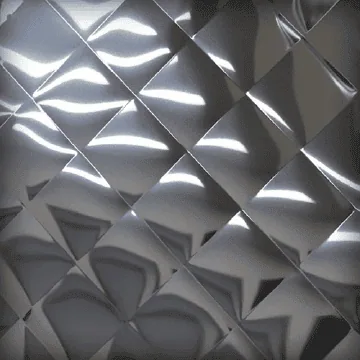
    Some painted metals, non-painted metals, and powder-coated metals naturally have low surface energy, which makes it harder for the adhesive to “wet out” and spread evenly. Surface texturing can further reduce adhesion by creating micro-voids that trap air or contaminants. This is especially common in fluted and quilted metal finishes, where tiny gaps can interfere with complete film contact.

  • Mechanical Mismatch

    Mechanical Mismatch

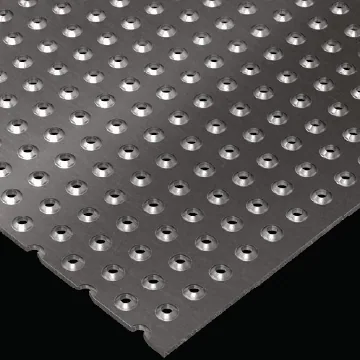
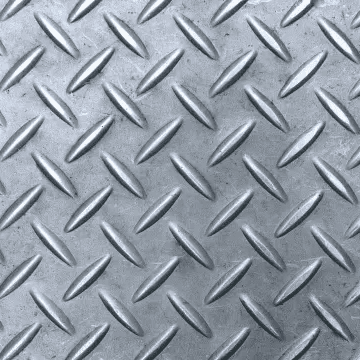
    Protective films are typically thin and flexible, while textured substrates (such as traction tread metals or powder-coated panels) can be rigid, uneven, and more difficult to conform to. This mismatch creates mechanical stress in the film, leading to bubbling, wrinkling, or edge lifting, especially under temperature changes or physical pressure during processing.

  • Contaminants and Debris

    Contaminants and Debris

    Textured and coated metals often trap dust, oils, or moisture that interfere with adhesive performance. Even microscopic particles on metal surfaces can prevent full adhesive contact, compromising film performance during cutting, forming, or shipment.

Why Adhesive Type Matters

Not all pressure-sensitive adhesives (PSAs) are designed to handle the complexity of textured metal surfaces. Standard adhesives may not achieve adequate bond strength on materials like hammered, fluted, or traction tread metals. In contrast, specialized formulations such as high-tack acrylic or rubber-based adhesives can better conform to surface irregularities, ensuring strong, consistent adhesion that protects your product through every stage of manufacturing and transport.

How TPC Converting Supports your Textured Metal Needs

TPC offers a wide range of protective films and adhesive solutions designed specifically for textured metals, painted metals, and powder-coated metals. Whether you’re working with quilted stainless panels, diamond tread plates, or fluted aluminum sheets, our converting experts will guide you to the right film and adhesive combination for your process.

Ready to Find the Right Protective Film?

Contact us today to discuss your textured metal protection needs. TPC will help you evaluate surface type, finish, and process to recommend a film that ensures consistent adhesion and reliable performance; from hammered aluminum to powder-coated steel.